
During last winter, a Mount Sinai nurse described how she had been using a rhodiola-and-griffonia blend. She was trying to manage long shifts. Over time, she observed a subtle yet steady improvement: less anxiety and clearer focus during overnight rounds.
Her experience illustrates the continued interest of botanical remedies for calm, focus, and emotional support. The rhodiola-and-griffonia pairing have a long history in traditional herbal medicine. Today, they are part of modern supplements, thanks to reliable manufacturers such as MIGU. MIGU develops botanical extract ingredients and mushroom extract powders under careful cGMP and ISO quality systems.
Rhodiola Rosea Extract
Ganoderma Lucidum Spore Oil Softgel
Ganoderma Lucidum Spore Oil
This guide will explore Rhodiola Rosea & Griffonia Seed Extract. We’ll discuss their role in calm, focus, and mental well-being. You will also find clear guidance on comparing reliable extracts.
Rhodiola Rosea And Griffonia Seed Extract: Origins And Active Compounds
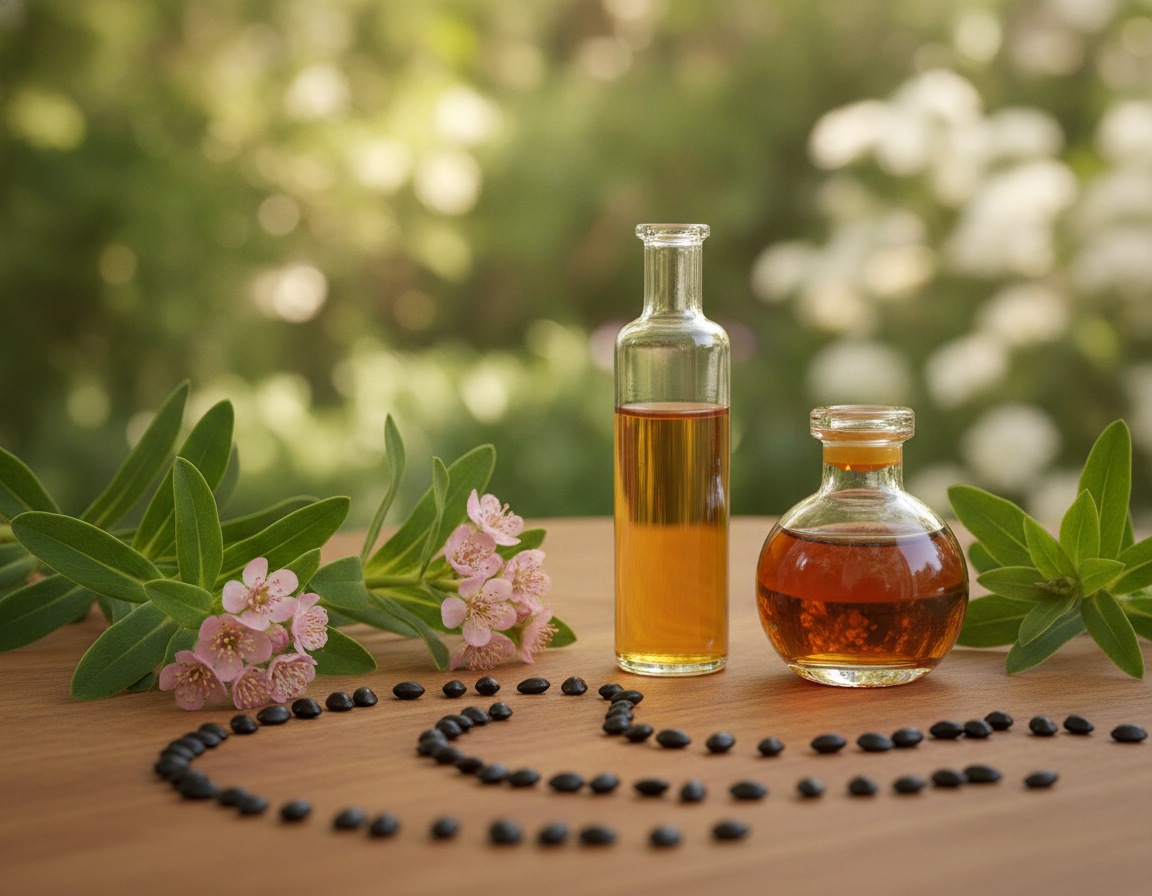
Rhodiola rosea and Griffonia simplicifolia both carry deep roots in folk wellness systems. Rhodiola grows best in frigid regions, traditionally valued across Siberia and Scandinavia for its endurance and fatigue relief. The seeds of the West African climbing shrub Griffonia simplicifolia were used in local remedies for calm mood and sleep support.
Botanical Background And Traditional Uses
The rhodiola plant is a hardy perennial that grows on mountainous terrain. Folk medicine systems used its roots to support endurance during extended hunts and severe winters. The pods of Griffonia simplicifolia were gathered for their seeds, often included as calming tonics and sleep supports. Both plants are noted in ethnobotanical records for stress support and wellness, laying the groundwork for modern botanical supplements.
Active Compounds: Rosavin, Salidroside, And 5-HTP
Rhodiola rosea is commonly standardized around rosavin plus salidroside, compounds often measured to standardize the extract. Rosavin helps identify true Rhodiola rosea, while salidroside is more broadly present in Rhodiola plants and has been linked with nerve-supportive effects. Griffonia seed extract contributes the serotonin precursor 5-HTP, a compound involved in serotonin production, making griffonia seed extract a key player in mood and sleep pathway support.
Extract Production And Quality Standards
Reliable extracts begin with controlled cultivation or verified wild harvest. Processing is designed to capture rosavin, salidroside, or 5-HTP without degrading them. Clear standardization helps ensure consistent potency in supplements by listing percent rosavin, salidroside, or 5-HTP.
Quality testing checks the identity and purity of the extracts. Analytical tools including HPLC and GC-MS quantify rosavin and salidroside, while LC-MS-MS can verify 5-HTP. Certifications such as cGMP, ISO, and organic status provide additional confidence. Companies controlling cultivation, processing, and laboratory checks ensure consistency in Rhodiola Rosea & Griffonia Seed Extract.
| Category | Rhodiola Extract | Griffonia Seed |
|---|---|---|
| Traditional source region | Siberia, Scandinavia, and mountainous Europe | West African growing regions |
| Main actives | standardized rosavin plus salidroside | 5-hydroxytryptophan |
| Traditional use | Stamina, fatigue relief, and resilience | Mood balance and sleep support |
| Quality markers | Declared rosavin/salidroside levels | Percent 5-HTP |
| Quality testing tools | HPLC, UPLC, HPTLC, IR | Chromatography and mass spectrometry methods |
| Supplement role | Adaptogenic stress support | Serotonin production support and mood balance |
Rhodiola Rosea And Griffonia Seed Extract
A combination of rhodiola rosea & griffonia seed extract is designed to address stress support and emotional balance through two supportive biological routes. Rhodiola works as an stress-response support herb to help the body adapt to stress. Griffonia supplies 5-hydroxytryptophan, a building block for serotonin production.
Synergistic Effects On Stress Relief And Mood Enhancement
Rhodiola supports resilience to routine stressors by supporting healthier stress adaptation. Griffonia seed extract may supply serotonin precursors to lift mood. Together they can reduce perceived tension and help maintain emotional balance.
Mechanisms: Stress-Axis Modulation And Serotonin Support
Rhodiola actives including rosavin and salidroside may influence the HPA axis to moderate cortisol fluctuations. Griffonia delivers 5-HTP that can be converted into serotonin, contributing to chemical balance tied to mood and sleep.
Evidence Summary: Clinical And Preclinical Findings For Anxiety Reduction And Mental Well-Being
Studies of rhodiola have reported lower fatigue and improved mental performance under stress. 5-HTP and Griffonia studies indicate benefits for emotional balance and sleep quality through serotonin-related mechanisms. Combination formulas are used in nutraceutical practice for calm mood and general mental wellness, with outcomes depending on extract quality and dosing.
Practical Formulations And Typical Doses For Combined Products
Rhodiola doses used in studies commonly range from about 100–600 mg per day with standardized rosavin and salidroside. Griffonia-derived 5-HTP is commonly used at roughly 50–200 mg per day depending on individual needs. Quality-focused producers show active percentages and clear serving instructions on labels to support predictable outcomes.
Research-Supported Benefits: Stress Relief, Cognitive Health, And Mood
Studies involving rhodiola rosea extract and griffonia seed extract suggest their supportive interaction on calm, mood, and resilience. Rhodiola appears to influence the HPA axis, helping regulate stress physiology and adrenal response. Griffonia, by contrast, contributes 5-hydroxytryptophan, a precursor to serotonin, helping with emotional balance and calm.
Clinical work on stress commonly includes standardized rhodiola preparations with declared rosavin/salidroside levels. The findings often show reduced fatigue and improved resilience in individuals facing persistent stress demands. Studies of griffonia-derived 5-HTP associate 5-HTP to sleep quality and mood support, supporting general mental wellness.
For cognitive health, several trials demonstrate rhodiola’s potential to support cognitive output under demanding conditions. Benefits include faster task performance, sharper attention, and reduced cognitive fatigue. Pairing rhodiola’s stress-response support with griffonia’s serotonin pathway support can preserve cognitive function during demanding periods.
Mood support via serotonin pathways remains a major reason for using griffonia seed extract. In formulas that include rhodiola, users may experience more stable mood and fewer anxiety spikes. Products should be formulated responsibly to avoid too much serotonergic activity, which is critical for individuals on serotonin-affecting prescriptions.
Comparing these extracts with other natural supplements helps with making better product decisions. Ashwagandha provides adaptogenic stress support similar to rhodiola. L-theanine supports relaxed alertness without sedation. St. John’s wort is used for mild depression but has important medication risks. B vitamins serve as cofactors for brain chemical production and support mood and energy when levels are low.
As you compare formulas, prioritize third-party tested extracts with active compound percentages listed. Favor balanced formulas targeting both stress response and serotonin-related balance. This product-selection method helps support anxiety reduction, cognitive health, and long-term mental well-being.
Recommended Use, Safety, And Interactions
Before using rhodiola rosea or griffonia seed extract, review essential considerations about risks and proper use. Both herbal supplements are common in botanical wellness formulas, but each has distinct risk profiles. Choose standardized and tested extracts to support cleaner sourcing and help maintain reliable potency.
Side Effects And Contraindications
Rhodiola is generally tolerated well. Some people report jitteriness, difficulty sleeping when used late in the day, and a dry-mouth sensation. Griffonia, which supplies 5-HTP, can cause nausea, loose stools, or stomach discomfort.
Low-quality or contaminated 5-HTP products have been linked to uncommon serious health concerns. Anyone with poorly controlled high blood pressure, bipolar-spectrum concerns, or known allergy to either plant should seek clinician guidance before use.
Drug Interactions With Serotonergic Medications
Using 5-HTP alongside SSRIs, SNRIs, MAOIs, triptans, or other serotonergic drugs raises the risk of serotonin syndrome. Always consult a prescribing clinician before combining Griffonia-derived 5-HTP with antidepressants, migraine medicines, or serotonergic drugs.
Rhodiola might affect the effects of stimulants or drugs that affect the nervous system. Review any combination with a doctor or pharmacist to minimize dangerous drug interactions.
Dose Timing And Product Selection Tips
Start low and build cautiously and watch your response. Rhodiola is often used in ranges of 100 to 600 mg per day. Typical 5-HTP dosing ranges 50 to 200 mg per day, depending on the reason for use.
Take Rhodiola earlier in the day if it feels stimulating. Take griffonia seed extract alongside meals to limit digestive upset. Select labels that declare rosavin and salidroside percentages for Rhodiola and declared 5-HTP levels.
Choose suppliers carrying cGMP, ISO, HACCP, or Organic certification and validated testing methods such as HPLC or GC-MS. These checks improve confidence in consistent potency and reduces the chance of contaminants.
Special Use Cautions For Pregnancy, Breastfeeding, And Children
Safety data remain limited for people who are pregnant or nursing. These extracts are generally avoided during pregnancy and breastfeeding. Pediatric use of these extracts under pediatric supervision.
Talk about use during pregnancy, breastfeeding, or childhood with a licensed medical professional before beginning supplementation. Tailored dosing guidance is essential for safer use in higher-risk groups.
| Topic | Practical Guidance | Why It Matters |
|---|---|---|
| safety | Use tested standardized extracts from certified suppliers | Reduces contamination risk and ensures reliable active compound levels |
| interaction risk | Consult a clinician before pairing 5-HTP with SSRIs, SNRIs, MAOIs, or triptans | Prevents increased risk of serotonin syndrome and adverse outcomes |
| serotonin production | Watch mood, sleep, and body symptoms if combining griffonia with serotonergic agents | Helps detect excessive serotonin activity early |
| serving guidance | Start low, adjust slowly. Rhodiola 100–600 mg/day; 5-HTP 50–200 mg/day | Minimizes side effects while finding an effective dose |
| pregnancy and lactation | Do not use during pregnancy or breastfeeding without clinician guidance | Insufficient safety data for vulnerable groups |
| contraindications | Avoid if bipolar disorder, uncontrolled hypertension, or known allergy | Prevents worsening of underlying conditions |
| botanical supplements | Prefer reputable brands with third-party testing and clear labeling | Supports product reliability and user confidence |
Selecting Quality Extracts And Related Products
As you source rhodiola, griffonia, or other botanical extracts, selecting a trusted manufacturer is critical. Prioritize clear standardization on product labels, including percentages of active ingredients like rosavin, salidroside, and 5-HTP. In addition, confirm the presence of certificates and third-party COAs that confirm the product’s strength, cleanliness, and consistency, ensuring it is free from contaminants such as metals, residues, and microbes.
What labels should show
Review product labels for declared active percentages and compliance with recognized standards such as EP, USP, JP, or CP. Trustworthy labels often include extraction details, lot numbers, expiry dates, and COA access. Certifications like cGMP, ISO, HACCP, Kosher, Halal, and Organic add confidence in reliable manufacturing.
MIGU as a supplier
MIGU supplies plant extracts and fungal extract powders to the supplement and pharmaceutical sectors. Holding various certifications, MIGU emphasizes research and development along with quality verification to ensure the consistency of its standardized extract portfolio.
Traceability and production strengths
MIGU manages raw material quality using traceable planted bases located in Shanxi and Jiangsu. Its R&D lab uses advanced analytical tools like HPLC, UPLC, GC-MS, ICP-MS, ELISA, HPTLC, and microbiology. These capabilities help ensure reliable active percentages and clean batches in each batch.
Additional product categories
- Shiitake mycelia extract for polysaccharide-focused wellness products.
- Ganoderma lucidum spore oil softgels and spore powder for triterpene-rich formulas.
- Fungus extract powder and botanical extract blends for targeted formulations.
- Rhodiola Rosea & Griffonia Seed Extract blends for emotional balance and stress support.
MIGU manufacturing profile
| Factory Attribute | Details |
|---|---|
| Production facilities | Three factories totaling 10,000 ㎡, independent water purification, and four GMP extraction workshops |
| Employees and patents | 200-plus staff members and 62 patents supporting extract innovation |
| Available extract range | 500-plus herb extracts covering mushroom products and Rhodiola Rosea & Griffonia Seed Extract blends |
| Quality & Testing | Extensive testing using HPLC, GC/LC-MS-MS, ICP-MS, HPTLC, and continuous service support |
| Certifications | cGMP, ISO, HACCP, Kosher, Halal, Organic and third-party COAs available |
When buying botanical extracts, request transparent product labels and certificates. Work with suppliers that provide transparent sourcing and advanced research facilities. This approach ensures the plant extract, fungal extract powder, or specialty ingredient like ganoderma spore oil softgel meet quality, safety, and performance expectations.
Conclusion
Combining rhodiola rosea & griffonia seed extract offers a distinct botanical strategy to herbal wellness formulas. It aids in stress relief, mood enhancement, and cognitive health. Rhodiola’s rosavin/salidroside markers are linked with the HPA stress pathway. Griffonia’s 5-HTP feeds serotonin pathways. In combination, they can promote resilience and mental clarity, without the need for pharmaceuticals.
Safety is key: some may experience GI upset or mild stimulation from rhodiola. Griffonia-derived 5-HTP may interact with medications. Using products from reputable certified suppliers matters. These suppliers provide clear standardization and third-party testing, helping protect users and preserve product strength.
MIGU is positioned as a notable manufacturer, with commercial production capacity, analytical laboratories, and organic planted bases in Shanxi and Jiangsu. The company’s GMP facilities, patents, and large ingredient range support reliable sourcing. For those seeking tested natural supplements, MIGU offers technical support and manufacturing depth. Its products are positioned for supplement, pharmaceutical, and cosmetic applications.
Related: The Therapeutic Potential of Ganoderma Lucidum Spore Oil for Cardiovascular Health